
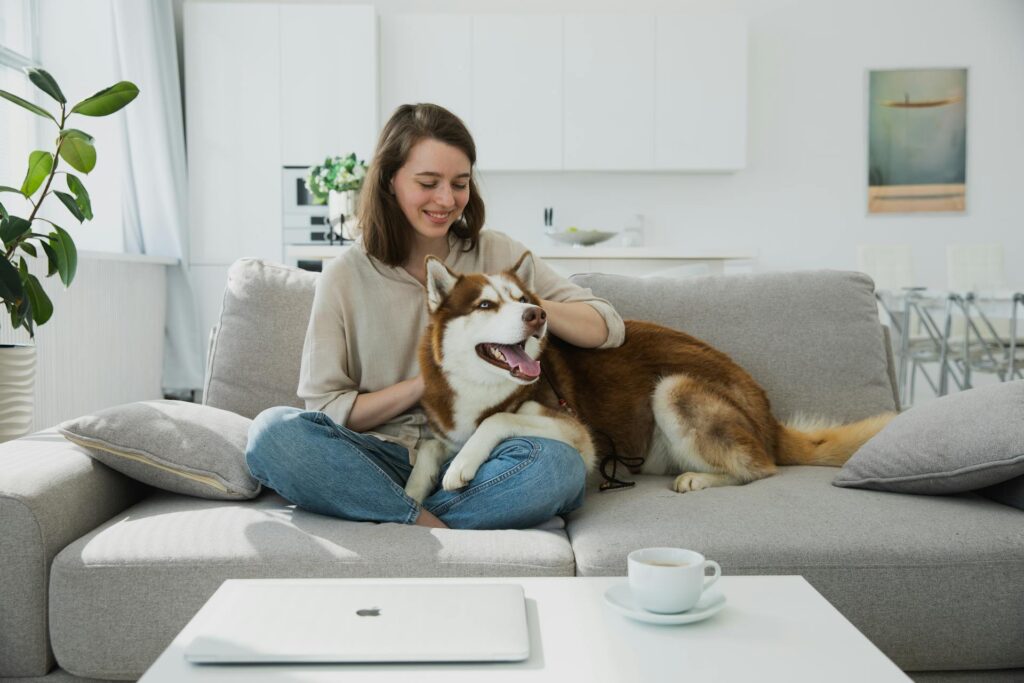
Living with pets is kind of like living with tiny roommates who never pay rent and occasionally eat your socks. Cute? Absolutely. Peaceful? Depends on the day. One muddy paw sprint through the hallway, and suddenly your beige rug looks like a failed science project. A lot of pet owners spend years adapting their homes the hard way. Towels by the door. Food bowls sliding across kitchen tiles like hockey pucks. Random scratching posts that clash with every piece of furniture. Then one day, somebody adds a smart little feature and thinks, “Wait… why didn’t I do this three years ago?”
Built-In Feeding Stations Save Your Kitchen
 Pet bowls have a magical ability to appear exactly where your foot wants to land at 2 a.m. Built-in feeding stations fix that circus fast. They create one designated eating zone that actually looks clean and intentional instead of chaotic. Some homeowners tuck bowls into lower cabinets or kitchen islands. Others build pull-out drawers for food and water dishes. It keeps the area organized and cuts down on spills. Plus, your dog stops kicking kibble across the room like confetti at a parade.
Mudrooms Become MVPs for Pet Owners
You know that moment after a rainy walk when your dog charges into the house looking like a swamp creature? A mudroom changes the whole storyline. Even a small entry setup helps massively. Hooks for leashes. Cabinets for toys. A washable mat. Suddenly, the chaos gets contained before it spreads through the house like gossip in a group chat. Some homeowners add pet washing stations with handheld sprayers. This setup also helps guests. A dedicated zone keeps everything tighter and easier to manage. And weirdly enough, pets learn routines quickly. Dogs start recognizing the area as their cleanup zone. Cats still ignore rules completely, but that’s part of their brand.
Hidden Pet Spaces Make Homes Feel Bigger
Pet furniture can crowd a room fast. Cat trees the size of apartment buildings. Dog crates are parked in the living room like spare refrigerators. Hidden pet spaces solve that problem beautifully. Built-in crate nooks under stairs have become super popular. They blend into the home while giving pets a cozy retreat. Window perches for cats also save space and stop them from launching onto fragile shelves like furry stunt performers. Some people add hidden litter box cabinets, too. That feature alone deserves a standing ovation. Nobody wants the first thing guests notice to be a litter box sitting beside the laundry basket.
Scratch-Resistant Floors Are Worth Every Penny
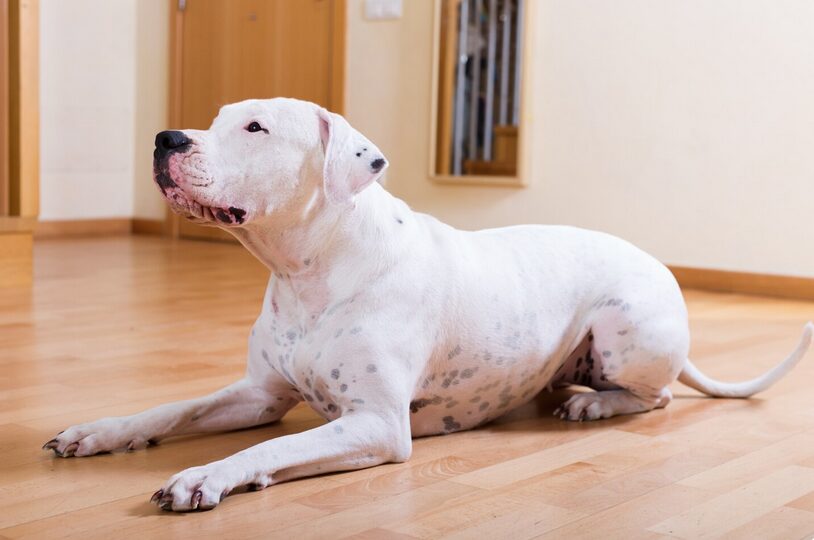
If you own a large dog, your floors already know suffering. Tiny claw marks sneak across hardwood faster than people realize. Add zoomies after bath time, and suddenly your beautiful flooring looks battle-tested. Scratch-resistant materials make daily life less stressful. Luxury vinyl planks have become wildly popular for a reason. They handle spills, fur, and claws without acting dramatic about it. Tile works too, especially in warm climates. Carpet sounds cozy until your cat throws up at 6:14 in the morning. Then it becomes a hostage situation. Many pet owners eventually switch to surfaces they can wipe down quickly without panic, breathing into a paper towel roll.
The best pet-friendly homes don’t scream “pet house.” They simply function better. Everything has a place. Life flows more easily. And your home still feels stylish instead of turning into a giant chew toy. At the end of the day, these upgrades are less about luxury and more about sanity.